









Top 5 tips for getting started in product coding
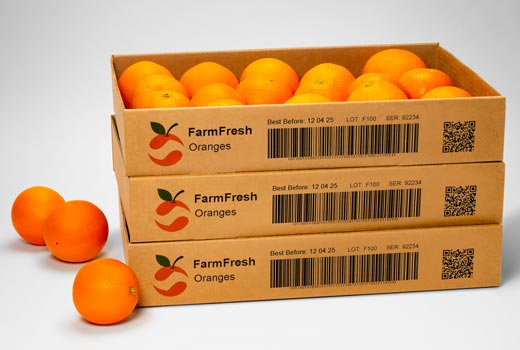
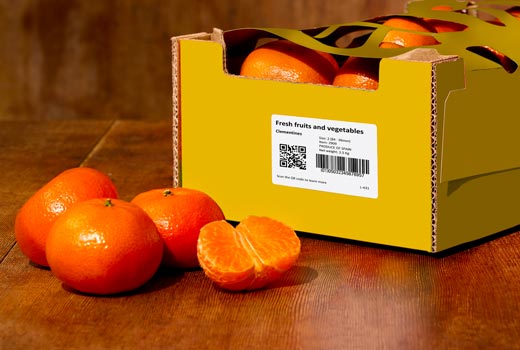
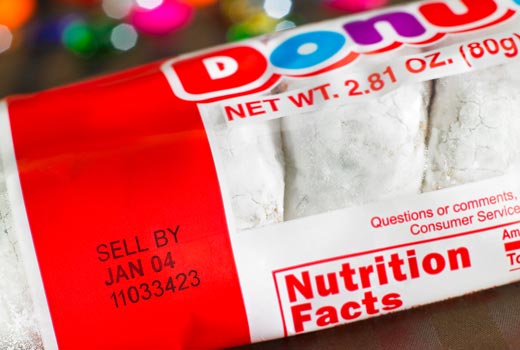
A wide range of industries requires products to be coded to enable safe usage, from best-before dates to voltage information. For new or small businesses, it can be challenging to implement coding successfully and know what mistakes to avoid. To help, we’ve put together some tips on how to pick the right printer to code your products reliably and cost-effectively.
Tip 1: Identify hidden costs
Consider the total cost of ownership from the very start. By focusing only on the initial equipment investment, many growing companies don’t realize until it’s too late that a cheap printer is usually more expensive over time. Here are the key points to consider when acquiring coding equipment:
- Consumables: In industrial coding applications, you need two consumables: inks and additives. The right combination helps deliver quality codes. One-off savings from a low-cost printer are usually wiped out by greater ongoing costs in extra ink and additive consumption, as well as extra disposal costs. Bear in mind that cartridge volumes differ by supplier, as does the expected print time per cartridge.
- Waste: Look for printers that minimize waste. Coders with automated printhead cleaning systems can ensure quality from the very first print. Smart consumable systems minimize operator errors such as using the wrong ink for the printer. It’s also important to use a good quality ink that has been calibrated for the equipment – this avoids clogged printheads, which will lead to poor prints, rework and waste.
- Equipment uptime and maintenance: Uptime is greater if a coder has automated printhead cleaning, which makes start-ups quick and easy. Watch out for coders with short service intervals: a good quality coder should give you at least 8,000 hours of non-stop production before needing preventive maintenance.
Tip 2: Avoid tying up your capital
Protect your cash, using it where it will most benefit your business. To avoid heavy upfront investment in coding equipment and unpredictable operating expenses, consider rentals that are customizable and scalable as your needs change. Companies that offer turnkey coding packages with a fixed payment plan mean no unpleasant surprises: you get the exact bundle of equipment, consumables, software, coding, and servicing solutions to meet your needs.
Tip 3: Scrutinize code durability and quality
Choose a supplier with proven performance and a wide portfolio of inks. The wrong ink or printer combination can lead to codes that smudge, fade or rub off, resulting in waste at the factory or potential fines from retailers or governments. Illegible or missing codes also jeopardize traceability and negatively impact your brand by not providing consumers the information they need to use your products safely.
When deciding on equipment, ask yourself:
When deciding on equipment, ask yourself:
- How strong is the supplier’s track record?
- What features does the coder have to ensure print quality?
- What customer references are available?
Tip 4: Future-proof your investment
Think long-term. At first, your coding needs may be quite simple. Over time, this can complexify with product diversification, case and pallet printing, international compliance, etc. To avoid the disruption and costs of swapping to a new coder, consider from the outset:
- How extensive and compliant is the supplier’s ink portfolio? A type or color of ink suitable for one packaging material may not work as effectively on another.
- How easily does it scale and work with other equipment? You may eventually need more sophisticated code capability, e.g. barcodes, 2D Datamatrix, QR, etc., or to integrate back-office systems with your printers.
Tip 5: Assess the level of support
Consider what happens if something goes wrong.
- What is the promised response rate?
- How big is the technical team?
- What does the warranty cover?
- As you grow, will the supplier have the reach and capacity to fix your problems?
We hope these tips offer a good starting point for the key issues to address when looking for a product identification supplier.
If you have any questions, don’t hesitate to contact us to let us know how we can help your business!
If you have any questions, don’t hesitate to contact us to let us know how we can help your business!