



Protecting your brand in emerging markets
While counterfeit goods can be found in just about every corner of the globe, in developed markets we used to associate them with street vendors and questionable public fairs or markets. Now, counterfeit manufacturers have found a happy home in online e-commerce marketplaces where that physical pop-up shack is now transformed into a legitimate looking e-storefront.
It’s a different picture in emerging markets where counterfeit goods are often found in legitimate outlets like chain grocery stores, making customers face serious challenges in purchasing authentic and safe products in every marketplace, every day.
And there can be serious consequences as Anthony Petrolonis, General Manager, Health and Product Safety at Interflow Group told me on a recent brand protection webinar.
Speaking from personal experience, Anthony explained that when he first arrived in Pakistan from the US, he drank from a bottle of water that appeared to be from a household name, only to be become ill as a result of drinking contaminated water.
Beware the ‘mushroom brand’
Anthony’s bottled water was an example of a so-called mushroom brand. Mushroom brands are the chameleons of the counterfeit world—taking on a legitimate brand’s colors and logo but crucially changing one or two letters in the product name. It’s easy to see how a shopper in a hurry could grab a mushroom brand from a supermarket shelf thinking it was the real thing. It’s an issue that only increases in markets where literacy rates are lower.
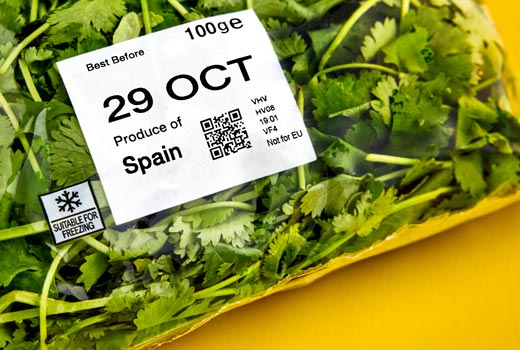
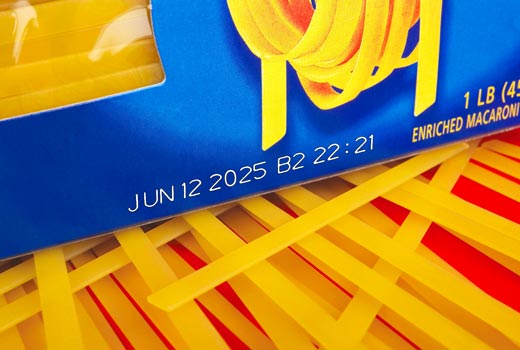
Throw into the mix other illicit activity such as tampering with use by dates and diversion—where a product intended for one market is smuggled into another—and the challenges for brands and consumers become obvious.
And while counterfeit goods are most frequently found in traditional ‘brick and mortar’ stores in emerging markets, the growing e-commerce sector is also not immune. Anthony recounts a story from Pakistan where smartphones were dispatched via courier only for a bag of sand, the equivalent size and weight of the phone, to arrive fully packaged at the customer’s home. This cautionary tale demonstrates the importance of protecting your product through every link in the supply chain.
Fighting back with ‘Swiss cheese’
A previous webinar guest described anti-counterfeiting tools as being like Swiss cheese… any individual solution may have holes in it but if you layer them up, eventually the holes are all filled in. It’s an analogy that Anthony agrees with. He recommends that any brand manager working in or looking to enter an emerging market employ a range of brand protection measures.
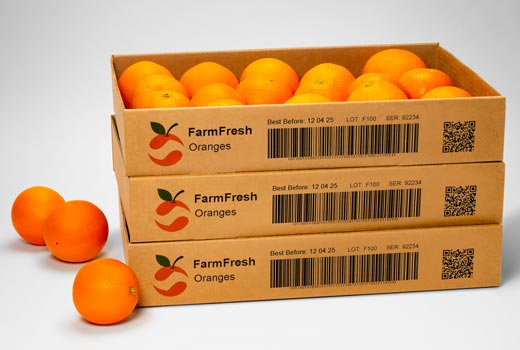
At present visible solutions such as holograms and SMS activation codes are the most common methods used in markets such as Pakistan. For some verticals such as pharma, motor oil and agricultural pesticides (which are vulnerable to criminals refilling old containers with inferior products), quality seals and tamper-resistant lids are a useful weapon in the brand manager’s arsenal.
For fast-moving consumer goods (FMCG) and luxury products however, these measures are often viewed as counter productive. By foregrounding counterfeiting, brands risk creating unnecessary concern among customers that could ultimately stop them purchasing a legitimate product.
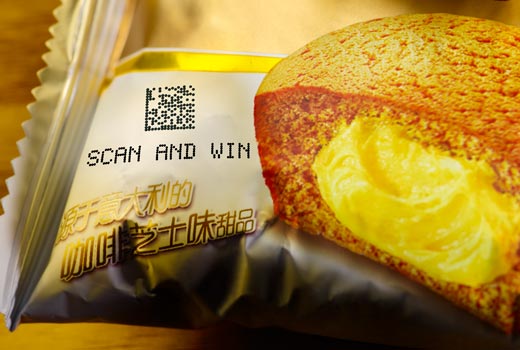
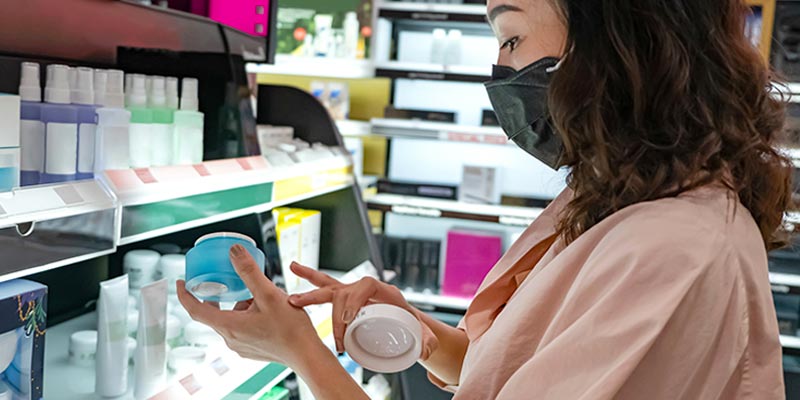
In the FMCG space, connected packaging offers brands the chance to both engage consumers and identify vulnerability in their supply chain—especially with smartphone usage rising rapidly in markets such as Pakistan. Anthony offers the example of a makeup brand that allowed customers to scan a code on packaging with their smartphone that offered them access to online tutorials from top make-up artists. Not only did this particular campaign led to a 1300% increase in web traffic for the brand it also delivered customer insights—something Anthony calls ‘consumer DNA’— back to the brand, all while boosting brand health. It’s easy to see why smart packaging is a growth area in both developed and developing markets.
Best of all, when coupled with a seamless security solution, such as e-Fingerprinting or other form of authentication, your smart packaging has not only engaged your customer, it’s played a key role in protecting your brand.
When it comes to mushroom brands, as is so often the way, consumer education is fundamental to protect both your brand and the customer. None-the-less it’s also reassuring there are a range of security solutions and technologies available to brands seeking to reduce the risk of counterfeiting as they seize the opportunities for growth offered by emerging markets.