





2D Barcode Suppliers and the People You Need to Get It Right
When I first started talking to retailers about 2D barcodes, everyone asked the same thing: “What scanners do I need?”
Wrong question. The real question is: “Who needs to be in this conversation?”
Because here’s the truth: 2D barcode implementation isn’t just an IT project. It cuts across everything: finance, operations, product manufacturing, packaging, quality, supply chain, and even compliance. Get the wrong people at the table (or miss the right ones), and you’ll end up with problems you never saw coming.
Start With Your Own People
Finance needs to know this isn’t about shiny tech, it’s about money. Smarter scans, less food waste, better inventory. Your CFO wants numbers that prove it pays off.
Operations and supply chain managers are your reality check. They know how products actually move. They’ll tell you if your plan works on a busy Saturday or falls apart the second shelves need restocking.
IT and POS teams are obvious, but don’t treat them like order-takers. They’re the ones who make sure scanners capture the data and systems process it correctly, plus they handle all the ERP and warehouse integrations.
Category managers know your products and suppliers inside out. They’ll help you pick the right SKUs to test, and more importantly, push 2D barcode suppliers to stick to the plan.
The Outside Players You Can’t Ignore
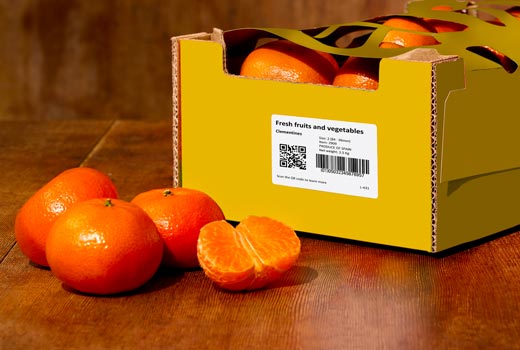
2D barcode suppliers make or break pilots. Don’t just test with your reliable ones—that’s too easy. Include the tricky ones too, because you’ll still be dealing with them after rollout.
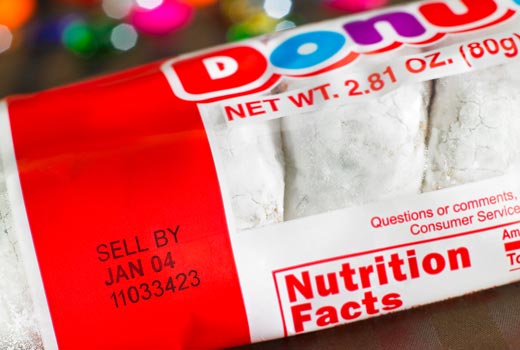
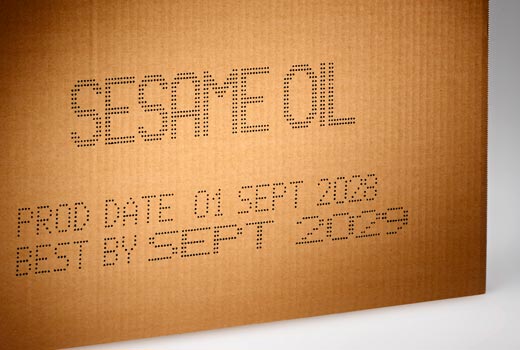
Packaging and labeling companies matter more than you think. Code size, placement, and print quality can decide whether scans work. I’ve seen projects fail because someone cut corners on printing.
GS1 isn’t optional. They set the standards, and with the 2027 sunrise, you’ll want to get this right. They’ll help you define the right data and stay compliant.
Tech vendors: scanners, POS, ERP, need to confirm your setup can actually handle 2D codes. And don’t think of 2D barcodes generation as separate: it has to be part of your full end-to-end solution, tested and validated together.
Make It a Team Effort
The retailers who succeed treat this as a business transformation, not a tech upgrade. They build cross-functional teams that report into finance or operations leadership.
One smart move: appoint a “supplier champion” and a “store champion” during pilots. These people give you the unfiltered truth about what’s working—and what isn’t.
The Real Talk
Making 2D barcodes work takes more than equipment. It takes the right conversations: inside your company with finance, operations, IT, and merchandising, and outside with 2D barcode suppliers, packaging partners, and standards bodies.
It’s a team sport. Get the right players on the field, and it gets a lot easier.
And honestly? If you want to speed things up, working with an experienced partner can save you a lot of trial and error. Instead of guessing, you learn from people who’ve already been through the same challenges.