


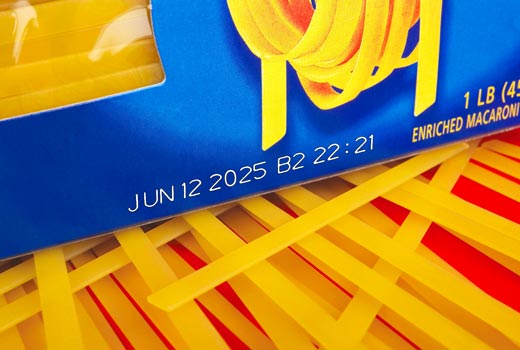
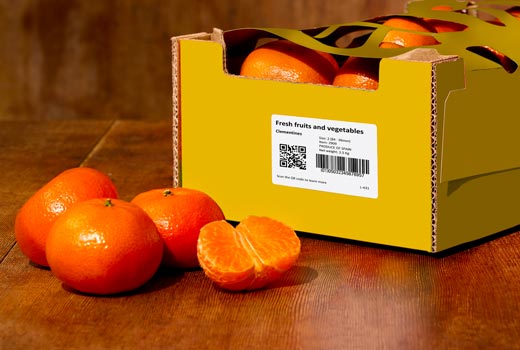
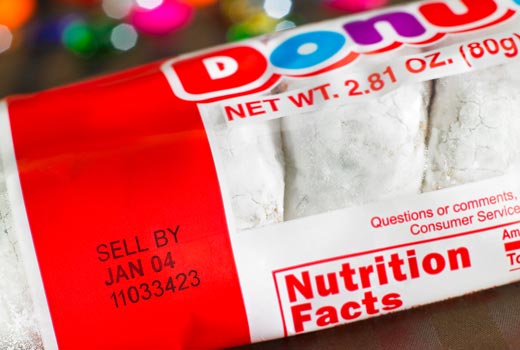
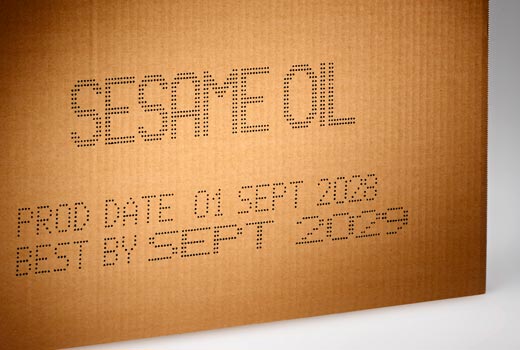

Food traceability software to answer long-standing safety and regulatory challenges
Achieving a high standard of product traceability has long been a challenge for manufacturers, particularly those in heavily regulated industries. Whether it is for ensuring food safety, fighting back against counterfeiters or gaining better control over recalls, effective traceability is more important than ever. With so much at stake, specialized food traceability software and controls have the potential to provide new answers to long-standing product marking and supply chain issues. However, the use of these types of solutions comes with an important caveat.
New laws present fresh pitfalls
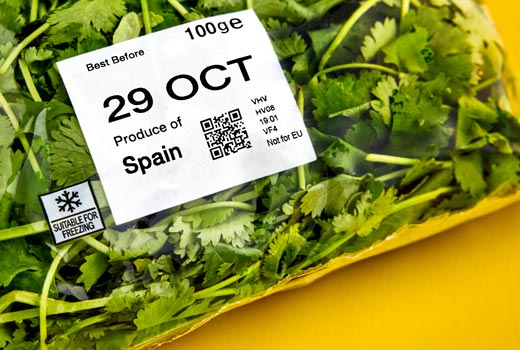
Traceability is a critical aspect of product safety and ultimately, business success. A well-defined food traceability software suite has the potential to reduce financial and reputational damage and also meet current and new legislation. One of the new laws that is being implemented requires all fresh food producers or packaging companies based in or supplying to the United States (US) to comply with the Food and Drug Administration's (FDA) final rule on Requirements for Additional Traceability Records for Certain Foods (Food Traceability Final Rule), under the Food Safety Modernization Act (FSMA). The rule concerns a host of fresh food products and is intended to significantly reduce the estimated 48 million annual cases of foodborne illness across the US, afflicting approximately one-sixth of the population to some degree, by ensuring that contaminated food recalls are conducted in 24-48 hours.
Another new law creating additional requirements around product traceability is the new Regulation (EU) 2021/2117, in which all wines and aromatized wines produced or sold in the European Union, including those with reduced alcohol, must now also supply full ingredient and nutritional information on or via the physical and/or digital label to better reflect the composition. Relevant businesses must also prepare for an upcoming EU law set to update the rules around the composition, labeling and naming of consumer information requirements for honey, fruit jams, fruit juices and dehydrated milk under the “breakfast directives” that aims to fully inform consumers of product origin.
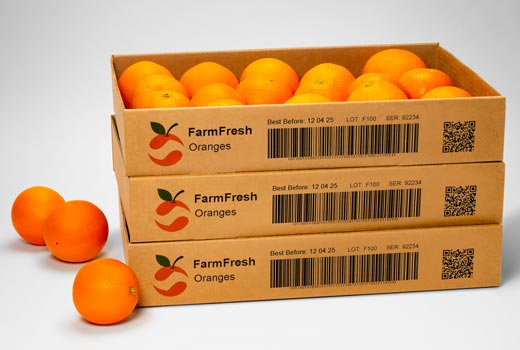
In light of these regulatory requirements and an increasingly complex supply chain ecosystem, how can traceability software for food manufacturing and controls help to minimise the risks? By simplifying the process of generating, managing and reporting product data, companies can enable and maintain a compliant record system. An effective food traceability software system can also accelerate the time taken to create messaging and labelling, allowing for a more dynamic response to new legal or market requirements, and more precise labelling at the production or post-production stage for mutable products such as wine. Businesses can also benefit from comprehensive item transfer visibility and secure data exchange across their entire supply chain.
Asking the right questions
While specialized food traceability software offers multiple benefits to companies seeking to address the product traceability conundrum, it is vital that they start by asking the right questions. Only by doing so can they achieve the results they need. A key step is to ensure that the solution can be tailored to fulfill the company’s priorities, as well as any relevant regulatory requirements. At Markem-Imaje, when collaborating with companies installing our CoLOS® information management system, we support this by first asking three key questions:
- What challenges are you trying to solve?
- How large is your production operation?
- What extra functionality do you need?
By addressing these areas and understanding how their choice of software aligns with their needs, businesses are better positioned to help resolve particular traceability issues, both when their products are being manufactured and when they are out in the marketplace. Companies must also verify that their choice of software can be bundled to address different production facilities and confirm it will integrate seamlessly with their existing infrastructure.
Combining software and strategy
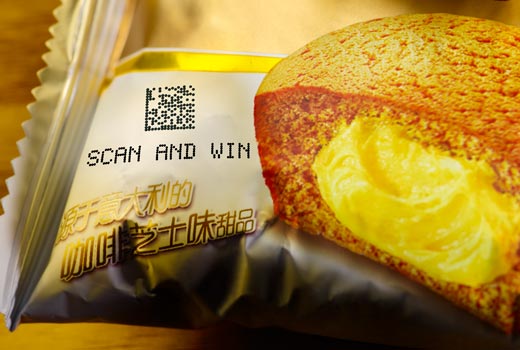
By applying an effective approach to leveraging food traceability software, manufacturers can overcome the risks associated with implementing coding solutions for unique ‘on-demand’ code marketing promotions. They can also avoid the high costs associated with identifying products in the supply chain and hard-to-execute recalls, as well as the costs associated with meeting new and existing regulatory compliance.
However, while software and controls can play a critical role in minimizing the pitfalls associated with product traceability, it is vital that businesses carefully consider their approach. For example, they should avoid mixing and matching traceability solutions from different vendors as this has the potential to create further issues and increase costs.
A well-designed strategy should be put in place to certify that the food traceability software and controls are effective. This approach can help manufacturers be better placed to manage the product tracking and supply chain challenges of both today and tomorrow.
This is an online version of an article originally published in the offline publication Converter Magazine’s April 2024 edition.