





US FDA FSMA rule on traceability: Which marking technology should you choose?
In order to comply with the US FDA’s strict traceability requirements coming into force in 2026, the Food Safety Modernization Act’s (FSMA) final rule on Requirements for Additional Traceability Records for Certain Foods, there are two essential elements. Firstly, the ability to provide full traceability which is only possible by using software, whether via an add-on to your ERP or via a dedicated solution like CoLOS ®. The second and equally important second part of FSMA compliance is the printing quality of that data on those fresh food products that must enable the legibility of the traceability information.
As you know, there are multiple printing technologies used to mark fresh food products, usually contained on the primary packaging substrate for retail, but also for substrates used in storage which may constitute primary or secondary packaging. A few marking technologies even permit marking directly on the food product itself, depending on its surface, without incurring any contamination risk whatsoever.
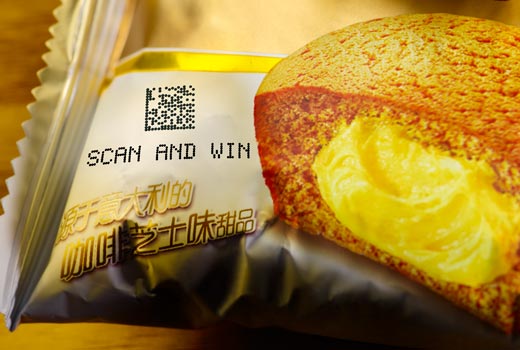
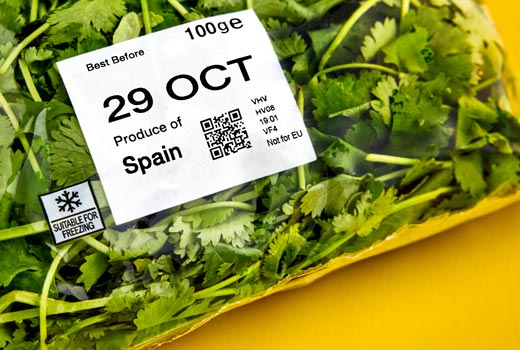
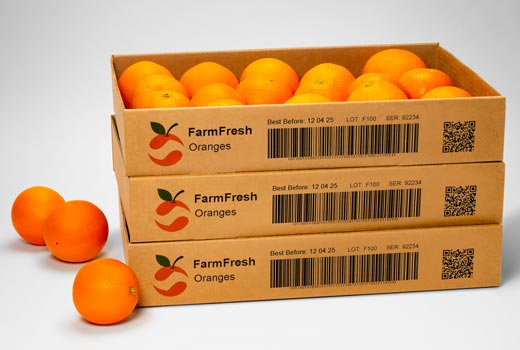
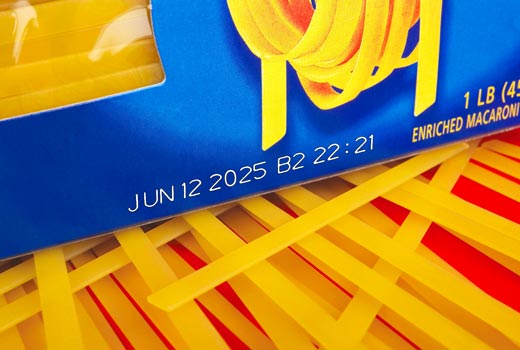
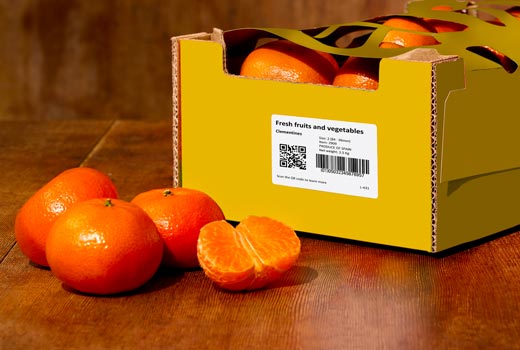
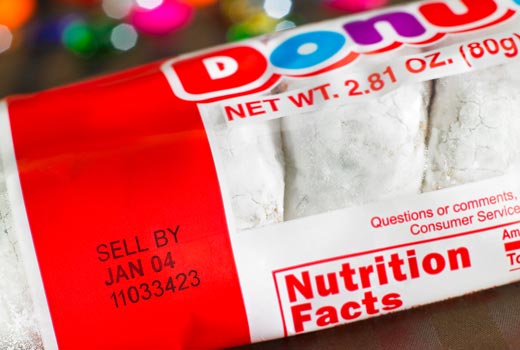
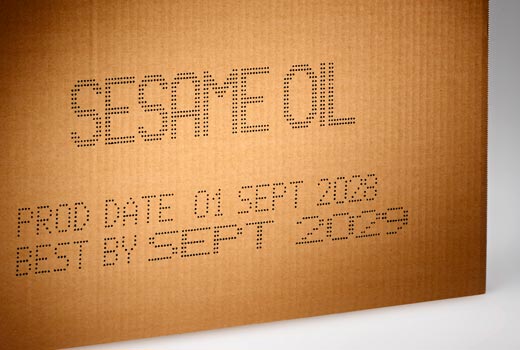
Within the list of the fresh food products covered under the new FSMA Rule: eggs; fresh fruit, vegetables and prepared salads; hard and soft cheeses; fresh and frozen fish and seafood; and nut butters; certain substrates are very common. These include plastic flow wrap or cling film, plastic and paper sticker labels, paperboard and multilayered thick plastic bags, each with different coding requirements and/or limitations. Additionally, other substrates also used in the retail of these products, such as aluminum foil and wooden cases on soft cheeses. There are also substrates used purely in the storage of fresh food such as cardboard and polystyrene or Styrofoam, which swill still require durable and legible traceability information.
Marking for FSMA traceability
On top of these considerations, there are the demands of the product itself, ranging fromfragile eggs and easily damaged fruit like avocados, to damp and cold frozen or fresh fish and seafood products: Therefore, the technology you choose for your marking operations is crucial to your FSMA compliance.
For this reason, Markem-Imaje has spoken to experts in each of the marking technologies used with fresh food products to provide you with the most relevant information on coding quality, speed and suitability, for each. We have interviewed those most in the know in development of printers in each of the marking technologies including CO2, fiber and UV laser technology, Continuous Inkjet (CIJ), Thermal Transfer Overprinting (TTO), Print and Apply (P&A) and the Drop-on-Demand technologies Thermal Inkjet (TIJ) and Large Character Inkjet (LCIJ), otherwise known as TouchDry® High Resolution Inkjet.
In the whitepaper downloadable from this page, we aim to provide you with the most salient information you need in order to decide which best suits your FSMA compliance needs within fresh food production and processing, from largescale retail to artisan or organic producers and fisheries, who may be introducing product traceability for the first time.