











Late-stage customize your case coding operations for lower costs and more efficiency
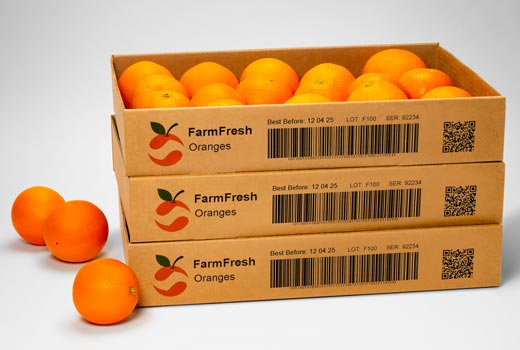
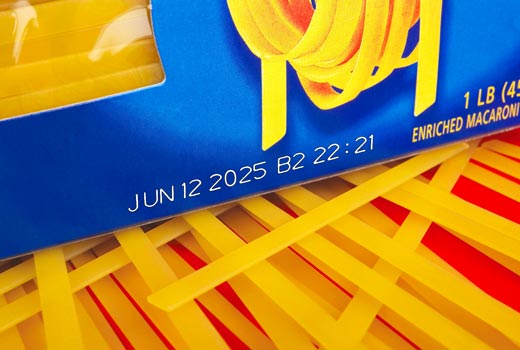
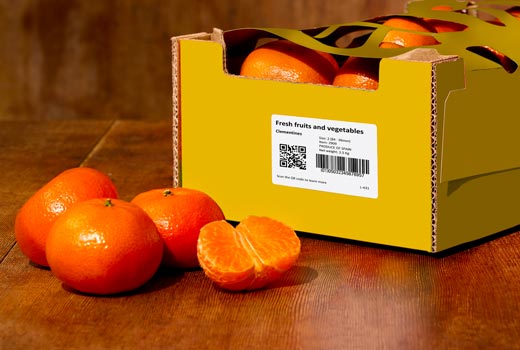
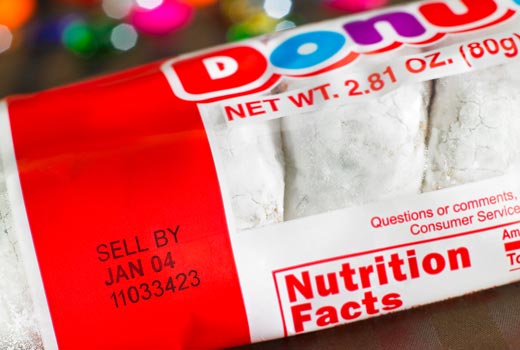
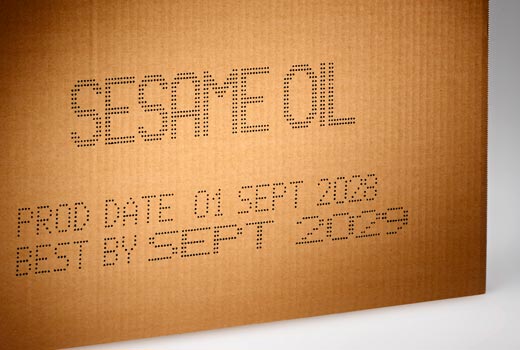
Late-stage customization in packaging, especially in case coding, is growing in appeal as industries adapt to more agile and consumer-centric operations. Late-stage customization involves postponing certain processes until the final stages of production to ensure greater flexibility and responsiveness to market demands. In case coding, this means tailoring the packaging process via the use of software to add codes, SKU information and other identifiers directly on the packaging just before distribution, instead of further upstream. This creates benefits by significantly reducing the number of case SKUs required and preprinted case inventory, enabling improved operational efficiency, cost-effectiveness, traceability, waste reduction, and customer satisfaction.
A customized packaging line allows manufacturers to respond quickly to changes in market demand, regulatory requirements, and consumer preferences. For instance, if a new regulation mandates additional labeling information or if a promotional campaign needs to be adapted, these adjustments can be made right before distribution instead of preprinting and using far more SKUs beforehand. Companies are no longer bound by the constraints of preprinted cartons that might become obsolete or non-compliant due to changing requirements. Switching to using generic cases with late-stage tailoring of packaging operations can thus facilitate customs and regulatory compliance and boost market opportunities as they arise, without needing reprints or repackaging.
Cut inventory, waste; increase productivity and throughput
One of the most significant benefits of late-stage customization in case coding is the reduction in inventory costs and waste. By deferring the printing of specific codes and identifiers until the end of the packaging process, companies can minimize the number of SKU references and the need to store large quantities of pre-printed cases. Preprinted inventory can become obsolete when any detail of product information changes, leading to wasted materials and increased disposal costs. Tailored case packaging operations eliminate the need for preprinted packaging or labels in favor of generic cases or cardboard boxes that can be customized as required.
These packaging operations contribute to operational efficiency by streamlining the production process and reducing lead times. When coding is done at the case packaging stage, production runs do not need to stop for retooling or switching between different printed stocks. This efficiency means fewer production interruptions, lower labor costs, and faster time-to-market. Additionally, the flexibility to apply specific case codes on demand enhances scheduling efficiency, as businesses can produce a standard product line and customize the packaging later. This operational flexibility enables companies to meet fluctuations in demand without compromising productivity; production can be increased when the sales forecast is not accurate and there is last-minute demand for more units to be shipped from the factory.
Late-stage case coding operations help reduce the risk of human error, as coding and code generation can then be automated and integrated with the packaging line and with ERP, and MES systems, ensuring that codes are up-to-date and accurate. Subsequently, the risk of producing or applying incorrect codes that could harm brand reputation is eliminated as is the management of multiple SKUs. One product with many variables like color and size which previously required multiple SKUs can now have just one, with all the necessary customization conducted at the case coding stage. Digitalization of SKUs reduces the risk of staff picking the wrong SKU in the warehouse avoiding rework or recalls.
Major boost for product personalization
Companies can also cater to different markets, demographics, or customer segments by tailoring their case coding operations. For example, a manufacturer can create different codes or languages for specific regions at the packaging stage without creating multiple additional SKUs beforehand. This packaging stage customization enables businesses to appeal to diverse consumer groups and comply with local regulatory standards while maintaining a single production workflow. Furthermore, late-stage customization supports promotional segmentation, allowing for last-minute updates based on real-time data, such as trends or seasonal demand.
Eliminating preprinted cases or labels can facilitate reduced warehouse storage and labor costs plus the risk of waste from obsolete preprinted inventory when cases are coded upon demand, a tenet of lean inventory management.
With the exponential growth of personalization in direct-to-consumer (DTC) models including e-commerce, customized case coding operations provide companies with the ability to create bespoke or unique codes for individual orders. This allows businesses to easily add personalized messages, custom codes, or special promotions directly onto the packaging, enhancing the customer experience and brand loyalty.
Similarly, digitalized case coding aligns well with Just-in-time (JIT) production by enabling businesses to code cases only as orders are confirmed, avoiding the need to preprint and store specific packaging for anticipated sales. This adaptability supports faster turnaround times, improved cash flow, and the ability to scale production based on real-time demand. By coding cases just before they enter the market, manufacturers can achieve a leaner, more cost-effective production approach without sacrificing quality or responsiveness.
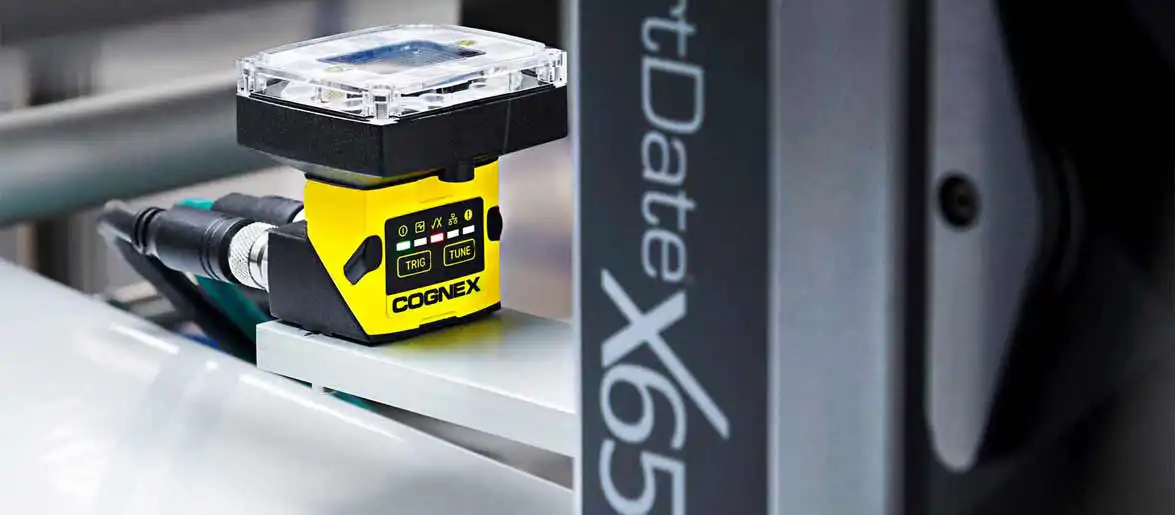
By using specialized packaging intelligence software like CoLOS® together with an Industry 4.0-primed case coder, you can customize your packaging operations down to the unit level. This form of case coding significantly reduces the number of SKUs required beforehand, freeing up additional manpower, space, and cash and permitting the level of customization demanded by customers today.