



Pre-Printed or Dynamic QR Code? How to Decide Which Technology to Pilot First
When I speak with manufacturers who are ready to make the leap to GS1 Digital Link and 2D barcodes, they told me they have done their homework: they understand the regulatory pressure, they know the industry is shifting, and they want to get ahead of it.
So, I usually ask them one simple question: “What do you actually want this code to do?” That’s the moment the conversation changes.
Because the answer to that question shapes everything: the size of the dynamic QR code, its placement on the packaging, the data it must carry, the printer you need, and ultimately whether you should start with a preprinted code or move straight into inline printing.
There’s no 'one size fits all' answer. But there is a framework. And after years of working with brands across food, beverage, and consumer goods, I’ve seen exactly what separates the manufacturers who get the transition right from those who end up in an expensive and avoidable loop.
Start With the Use Case, Not the Technology
When someone asks me where to start, I usually turn the question back to them:
What problem are you actually trying to solve?
For some companies, the driver is regulatory. That might mean tax stamps, anti-counterfeiting requirements, or future initiatives like the EU Digital Product Passport. Others are exploring the opportunity side and using a dynamic QR code powered by GS1 Digital Link to create a richer consumer experience when someone scans the code.
That difference matters more than most teams realize. Not because the printing technology changes dramatically, but because the data requirements do. Your use case determines:
- What information must live directly on the dynamic QR code (so it can be read offline).
- What information can sit safely in the cloud.
- And what identifiers (batch numbers or serial numbers) connect the two.
Once that part becomes clear, defining the dynamic QR code becomes straightforward. And once the QR code is defined, you can make real decisions about packaging design, artwork and production.
The Interconnected System Most Manufacturers Underestimate
Here is where I see things go wrong most often: manufacturers treating the QR code decision as isolated. They generate a code, add it to the packaging, and assume the work is done. When a dynamic QR code sits right in the middle of three interconnected systems.
1. Packaging and Artwork Design
- Is there a clean background for the code?
- Is the print window large enough?
- Is the required quiet zone respected?
2. Data and Workflow
- Is the correct data available at the moment when the product is printed?
- Can systems like ERP platforms (for example SAP) send batch or serial data to the production line in real time?
3. Production Line Conditions
- What printing technology is being used?
- How stable is the product movement on the line?
- What level of precision can the line actually maintain?
If these systems aren’t aligned, the pilot will fail not because the dynamic QR code was wrong, but because the context was never ready.
For example, once a manufacturer told me they passed an entire validation cycle with laser printing, only to discover that a nearby forklift was causing micro vibrations that degraded print quality. Not a printing problem, a production environment problem. These issues only surface when you take a holistic approach.
When Pre-Printed Is the Right Starting Point
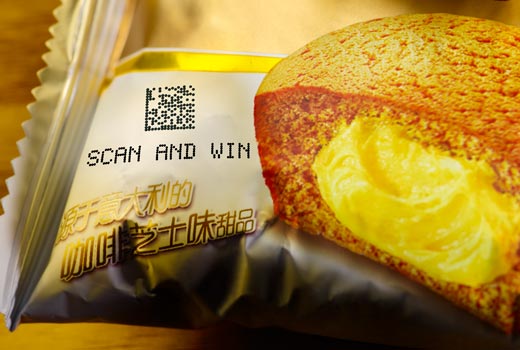
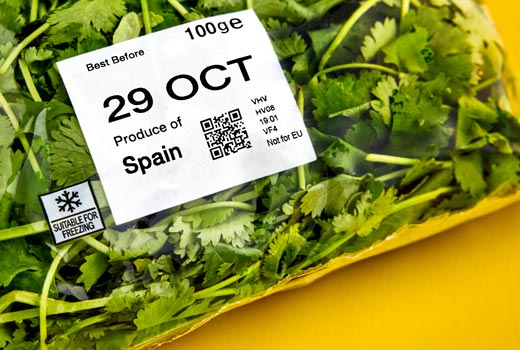
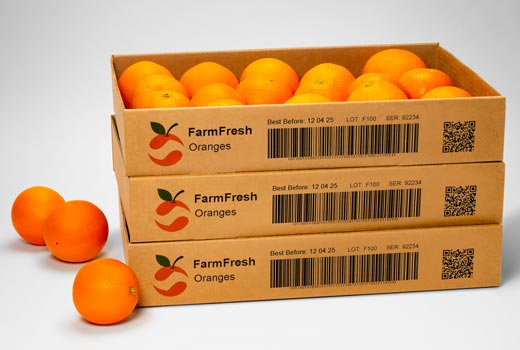
Pre-printed QR codes — applied at the artwork stage, before the production run — are often dismissed as a compromise. A steppingstone for manufacturers who aren't ready yet. I'd argue that framing misses the point entirely.
Pre-printing is the right decision when your current production line setup isn't capable of producing dynamic QR codes at the required quality, consistency, and speed.
But here's the strategic value of starting pre-printed that most people miss: if you design the pre-printed artwork correctly: sizing the QR code for future inline printing, reserving the right print window and eliminating mixed backgrounds, then you are not simply complying today. You are building the foundation for a fully dynamic QR code workflow tomorrow.
The transition then removes the pre-printed code, activates inline printing of the same element. No artwork rework. No revalidation cycle. No packaging redesign. That's not a compromise; that's smart sequencing.
When Manufacturers Think They're Ready, But Aren't
Most companies are not resisting transitions. The real problem is hidden constraints. A team selects a SKU, generates a dynamic QR code, and launches a pilot. And then the friction starts appearing:
- There’s no clear print area on the packaging.
- The artwork overlaps the printing zone.
- The printer can’t maintain consistent distance during production.
- The batch data sits in a system that doesn’t communicate with the line in real time.Any one of these can block the project. When several happen at once, the pilot often ends with the wrong conclusion: “Inline printing doesn’t work for us.”
In most cases, that conclusion is wrong. The issue isn’t dynamic QR code printing or inline printing. It’s a misalignment between systems. When packaging design, data flow and production conditions are synchronized, inline dynamic QR codes unlock significant value: stronger traceability, more efficient operations, and the possibility of late-stage product customization.
The question is never 'pre-printed or dynamic QR code?' in isolation.
It's given where you are today: your use case, your packaging constraints, your production line, and your data infrastructure. What is the most valuable next step? And how do you take that step in a way that doesn't create rework down the line?
Get those answers right, and the choice between pre-printed and inline becomes obvious. More importantly, the path from where you are now to where you need to become visible, manageable, and for once not expensive.