




Manufacturing security built into every layer of CoLOS® 7 software solutions

Not a bolt-on. Not an add-on.


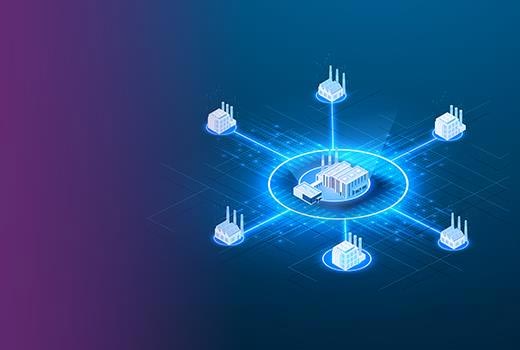
Production environments that were once isolated are now exposed. Printers, cameras, scanners, databases and enterprise systems all exchange critical data across connected lines. CoLOS® 7 software solutions is built with manufacturing security designed into the software from day one.


Production lines are more exposed and connected than ever


Manufacturers have spent years connecting IT and OT: ERP, MES, printers, vision systems, scanners, production databases. That connectivity drives efficiency. It also means that the software sitting in the middle of those systems needs to be built to withstand the threats that come with it. For IT teams, the concern is risk. For operations teams, the concern is downtime. For the business, the concern is continuity, compliance and trust.


CoLOS® 7 Software Solutions, manufacturing security by design


CoLOS® 7 platform has cybersecurity built into its design and development process. It is part of the ecosystem across every tier: Base, Line, Factory and Site. This means manufacturers get a stronger foundation for connected coding operations without adding complexity to the line. IT teams get software they can defend. OT teams get reliability they can count on.


Manufacturing Security Identification Authentication CoLOS | Markem-Imaje


Identification and authentication

Only verified used and trusted systems can access CoLOS® environment.

Manufacturing Security System Integrity CoLOS | Markem-Imaje

System integrity

The software environment is protected from unauthorized changes, helping maintain stable and trusted operations.

Manufacturing Security Restricted Data Flow CoLOS | Markem-Imaje

Restricted data flow

Control how data moves across connected production systems. Unused services and ports can be disabled.


Manufacturing Security Data Security CoLOS | Markem-Imaje

Data confidentiality

Sensitive production and operational data is protected in transit and at rest across the CoLOS® environment.

Manufacturing Security Time Management CoLOS | Markem-Imaje

Timely response to event

Security events are logged automatically. Audit trails are available for alerts, incident review and root-cause analysis.


Manufacturing security built for IT and OT


CoLOS® software sits at the intersection of production-line equipment and business-critical systems. That makes the software architecture a shared concern. Manufacturers can support more secure collaboration between IT and OT while continuing to improve coding accuracy, line control, traceability and operational efficiency.


Globally certified cybersecurity standards


IEC 62443-4-1 secure development lifecycle


Manufacturing Security IEC SDL C | Markem-Imaje CoLOS®

Markem-Imaje process and CoLOS® software is engineered under a certified IEC 62443-4-1 Secure Development Lifecycle (SDL), ensuring that cybersecurity is embedded into our entire product lifecycle. This process-driven certification validates that from initial design and coding to rigorous vulnerability testing and deployment, our team follows strict, standardized security practices. Furthermore, it guarantees a proactive approach to long-term maintenance, including continuous security monitoring, robust patch management, and timely disclosure of vulnerabilities.


IEC 62443-4-2 component certification


Manufacturing Security IEC CC | Markem-Imaje CoLOS®

CoLOS is built and certified in compliance with IEC 62443-4-2, the global benchmark for industrial cybersecurity. This certification ensures that the application includes robust, built-in security mechanisms such as role-based access control, secure data transmission, and audit logging designed to protect industrial automation and control environments. This ensures software ensures operational integrity, protects against common human errors, and seamlessly establishes a secure baseline within the system.


Check our CoLOS® latest blog posts


by Lakshmi MENON May 7, 2026

Hidden cost of decentralized site message/label management across multiple sites

In packaging operations, messages/labels are more than identifiers—they carry brand identity, reputation, regulatory information, traceability data, and even consumer trust. For brands operating across multiple sites, how messages are designed, how data is managed, and accurate message printing can make or break efficiency. Many companies still rely on decentralized site label management, where each site runs its own processes. At first glance, this might seem flexible. But hidden beneath the surface are costs that drain resources, increase waste due to errors and inconsistencies, compliance risks, and hinder growth.


The hidden cost and business impact of decentralized

1. Inconsistent Label Branding

When each site manages its own message/label design, maintaining brand consistency becomes nearly impossible. Fonts, layouts, logos, or compliance statements may differ, leading to brand dilution, potential consumer mistrust and spoiled brand reputation.

2. Difficulty in Finding Skilled Personnel

Each site requires IT specialists, label designers, maintenance and support staff. In today’s talent-scarce market, finding and retaining such expertise is difficult and expensive. A decentralized system magnifies this need across every factory which increases the operating cost and creates bottle necks.

3. Compliance Risks

Labeling is tightly regulated—whether it’s GS1 standards or allergen disclosures. When compliance is managed locally, the risk of errors multiplies. A single oversight can trigger recalls, fines, or reputational damage.

4. Security Risks

With local systems running independently, security becomes fragmented. The more nodes to protect, the greater the chance of breaches, tampering, counterfeiting, unauthorized edits, or data leaks.

5. Siloed View of Production

In decentralized setups, managers lack a unified dashboard. Each site works in isolation, making it difficult to monitor printer performance, troubleshoot issues, or roll out updates efficiently. This fragmented visibility leads to slower decisions and reduced efficiency. 


How advanced centralized Message Management and Control transforms packaging operational efficiencies


 

Decentralized Site | Markem-Imaje


Central Control: Centralized systems provide a single source of truth where all brand assets—logos, fonts, templates, and layouts—are created, controlled and approved centrally. Any update instantly propagates across all sites, ensuring brand consistency on primary, secondary, and tertiary packaging worldwide.
 
Automation: Centralization reduces the reliance on on-site experts by automating design distribution, print configurations, and data management. This allows fewer, centrally located specialists to manage labels across the entire network, lowering costs and easing recruitment pressures.
 
Consistency: Unified branding across primary, secondary, and tertiary packaging. A centralized platform enables compliance rules (such as GS1, allergens and more) to be built into templates and enforced globally. Updates are made once and applied everywhere, reducing the risk of oversight and ensuring audit readiness.
 
Efficiency: Reduced reliance on specialized IT or design resources at every factory. Centrally controlled templates and workflows empower local teams to execute changes quickly and accurately, lowering turnaround times, eliminating redundant work, and improving overall line efficiency across sites.

Security Risk: Centralized label management consolidates access into a controlled environment with role-based permissions, encryption, and audit trails. By reducing the number of vulnerable systems, it strengthens security and protects both data and brand integrity. 

The hidden costs of decentralized label management can quietly erode profitability and brand trust. By shifting to a centralized, software-driven approach, manufacturers gain control, reduce risks, and unlock efficiencies. In a world where packaging is both a compliance necessity and a consumer touchpoint, centralization isn’t just an upgrade—it’s a strategic advantage.


Please share this post on your favorite network…
linkedinblog icon


Frequently asked questions (FAQ)


How does CoLOS® 7 support manufacturing security?

CoLOS® 7 supports manufacturing security through secure development practices, access control, system integrity, restricted data flow, data confidentiality, event logging and audit trails. These capabilities help manufacturers protect connected coding operations while supporting IT and OT collaboration.


What are manufacturing cybersecurity best practices for manufacturing?

A basic cybersecurity strategy for manufacturing facilities combines asset discovery, risk assessment, access controls, patch management, network segmentation and security monitoring.

Manufacturers should establish governance, train staff and define incident response processes. They should also prioritize critical production systems, ensure backups, test recovery and maintain supply-chain transparency.

Regular audits and tabletop exercises reinforce resilience against evolving threats across manufacturing operations.


What are manufacturing cybersecurity best practices for manufacturing?

A basic strategy combines asset discovery, risk assessment, access controls, patch management, network segmentation, and security monitoring. Establish governance, train staff, and define incident response. Prioritize critical production systems, ensure backups, test recovery, and maintain supply-chain transparency. Regular audits and tabletop exercises reinforce resilience against evolving threats across all operations.


Why does manufacturing cybersecurity matter for connected coding operations?

Coding operations rely on accurate data, controlled workflows and reliable communication between systems such as ERP, MES, printers, scanners, cameras and production databases. If these workflows are not secured, manufacturers can face data integrity issues, unauthorized changes, downtime and compliance risk.


Ready to secure your coding operations?


Discover how CoLOS® 7 can help your teams build a more secure, connected and future-ready production environment.


close
keyboard_arrow_up
rocket icon Quick Access Tools