




Why The Thermal Transfer Barcode Printer Is the Smarter Way to Make a 2D Barcode
You know those thin black lines you see on every package at the supermarket? They have been on all packaging for over 50 years now. The barcode is one of those inventions we hardly notice, but it changed everything.
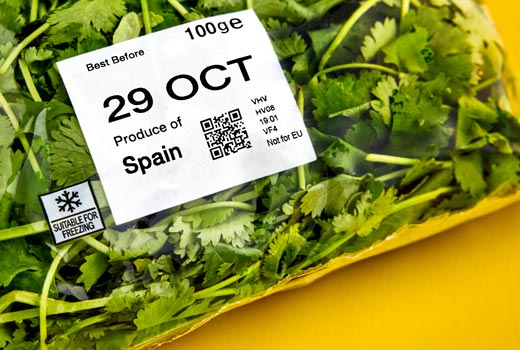
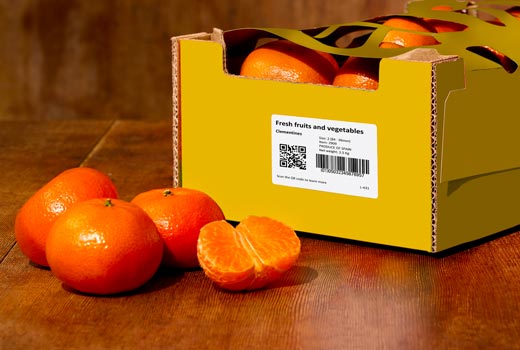
Get ready for round two. By 2027, those black lines are getting an upgrade to 2D barcodes. Instead of just storing a product number, these squares pack in batch information, expiration dates, and links to websites. Imagine scanning your yogurt and instantly knowing where it came from, if it’s still good, and how to recycle the container.
Every brand will need to figure out how to make a 2D barcode that works across millions of packs. The good news? If you are already running a thermal transfer barcode printer on your production lines, you already have the technology needed.
The Role of the Thermal Transfer Barcode Printer
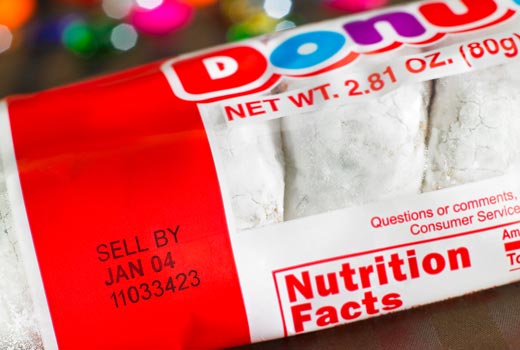
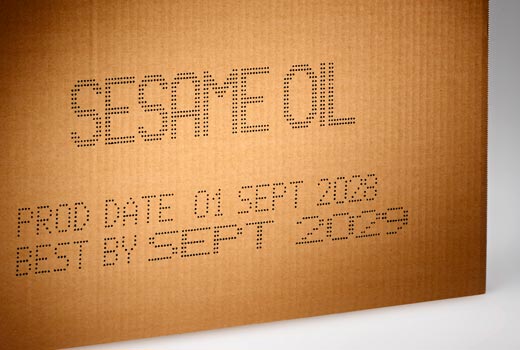
Thermal Transfer Overprinting (TTO) may not be familiar to many people. But every time you’ve scanned a barcode on a chip bag or cereal box, there’s a good chance a thermal transfer barcode printer made it happen.
This technology is very impressive when you dig into it:
- It has high enough resolution that your QR code always scans.
- Its durable prints won’t smudge off when your package gets tossed around.
- It works with all the new eco-friendly packaging materials that companies are switching to.
If 2D barcodes are the new brain of packaging, TTO is the hand that writes it down.
Why Brands Should Care About Making 2D Barcodes
Food safety. Recalls. Traceability. Consumer trust. These aren’t side topics; they’re existential.
When 2D barcodes become the standard, the companies that know how to make a 2D barcode and print it reliably will be the ones ahead of the curve. That’s why TTO is more than a coding option. It’s becoming the best-in-class choice.
Lessons From the Line
Talk to manufacturers and you’ll hear the same statements:
- Pick the right ribbon for your packaging material.
- Always clean the printhead when you change the ribbon.
- When barcodes start looking faded, don’t just turn up the darkness setting. Check your pressure and alignment first.
- Those bargain ribbons? They’ll destroy your equipment and cost you way more down the line.
These aren’t marketing talking points; they’re lived realities on the factory floor.
The Leadership Perspective
Now here’s where things get very interesting. This isn’t just one solo mission. It’s a strategic decision that needs C-suite attention.
If you’re running a consumer goods company, you will be asking:
- Can we print 2D barcodes on our sustainable packaging at scale today?
- Are my production lines running at the same speed when printing 2D barcodes?
- Do we see 2D barcodes as just a regulatory requirement, or as a way to create value with consumers?
Because leadership not only cares about GS1 standards. They care that when their production lines work at optimal speed while staying 100% compliant and reliable.
You Don’t Need a New Printer
And here’s something people don’t always realize: you don’t need to rip out your printers to make this happen.
If you’ve already got a thermal transfer barcode printer on your production line, you are ready. Those same machines can make a 2D barcode just as fast as the barcodes you’ve been running for years. No upgrade. No slowdown.
The only thing that really changes is how you treat them: picking the right ribbon, keeping the printhead clean, and showing operators a couple of tricks. That’s it.
Final Thought
The future of packaging lives at the intersection of digital and physical. Those 2D barcodes on a wrapper have to seamlessly connect the complex supply chain world with someone just trying to buy lunch.
Thermal transfer barcode printers might not come up in boardroom presentations, but it’s the ready-to-go technology that can help you make this whole vision work in the real world. They’re how you make a 2D barcode that works every time, for retailers, for regulators, and for consumers.