




Safer food, better health
Foodborne diseases affect ten percent of the world population each year. There are over 200 of these diseases - some mild, but others deadly. Safe and nutritional food plays an important role in ensuring human health and well-being and calls for a set of specific actions to make food safer.
At Markem-Imaje, food safety has always been an important topic. The use of food-grade inks as well as our track-and-trace solutions contribute considerably to food safety and wider transparency for both the producer and the consumer.
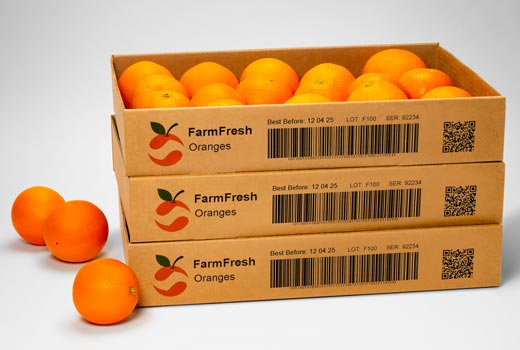
It is our responsibility as individuals to apply food safety, whether we grow, process, transport, store, sell, buy, prepare or serve food. This, however, requires a basic understanding of different concepts. For instance, what is the difference between “best before” and “use-by” dates? How can we best avoid unnecessary food waste? When should you perform a “sniff test”?
For the use-by date to be a valid guide, you must carefully follow storage instructions. For example, if the instructions on the packaging tell you to refrigerate after opening, you should keep the food in a fridge at 5°C or below. After the use-by date, don't eat, cook or freeze your food. The food could be unsafe to eat or drink, even if it has been stored correctly and looks and smells fine.
For food with a use-by date, the “sniff test” is not an appropriate method for testing if food is safe to eat. Food can look and smell fine even after the use-by date has passed, but the product will not be safe to eat. We can’t see or smell the bugs that can cause food poisoning.
Sources: Food Standards Agency, United Kingdom, World Health Organization
At Markem-Imaje, food safety has always been an important topic. The use of food-grade inks as well as our track-and-trace solutions contribute considerably to food safety and wider transparency for both the producer and the consumer.
It is our responsibility as individuals to apply food safety, whether we grow, process, transport, store, sell, buy, prepare or serve food. This, however, requires a basic understanding of different concepts. For instance, what is the difference between “best before” and “use-by” dates? How can we best avoid unnecessary food waste? When should you perform a “sniff test”?
Best before and use-by dates
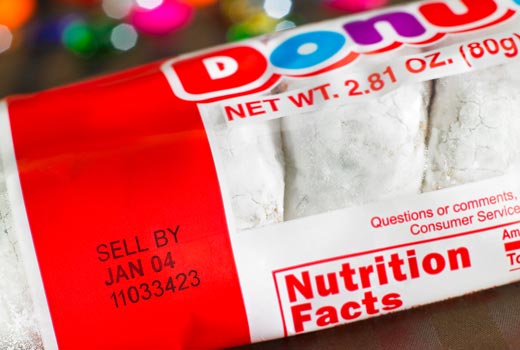
Depending on the product, you will see one of the two dates on most packaged foods. Manufacturers are responsible for deciding whether to apply a use-by date or a best before date on their products. This will depend on factors such as how the food is made and how risky it is.Use-by dates are about safety
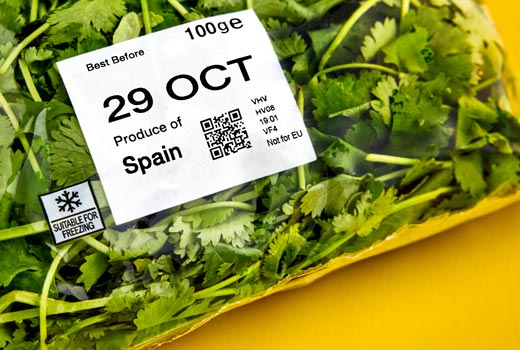
This is the most important date to remember. You can eat food until and on the use-by date but not after. You will see use-by dates on food that goes off quickly, such as meat products or ready-to-eat salads.For the use-by date to be a valid guide, you must carefully follow storage instructions. For example, if the instructions on the packaging tell you to refrigerate after opening, you should keep the food in a fridge at 5°C or below. After the use-by date, don't eat, cook or freeze your food. The food could be unsafe to eat or drink, even if it has been stored correctly and looks and smells fine.
Best before dates are about quality
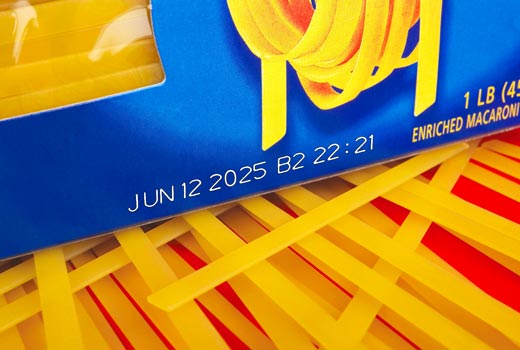
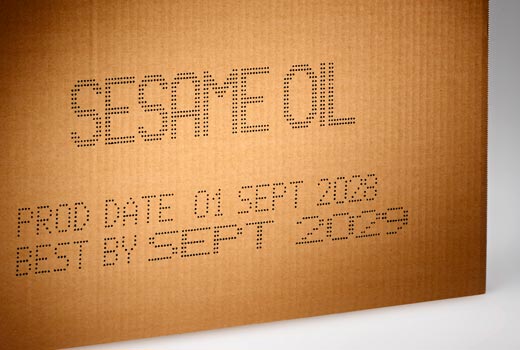
The food will be safe to eat after this date but its flavor and texture might not be as good. Best before dates appear on a wide range including frozen (such as peas, chips and ice cream), dried (pasta and rice) and tinned foods (baked beans, canned tomatoes). The best before date will only be accurate if the food is stored according to the instructions on the packaging.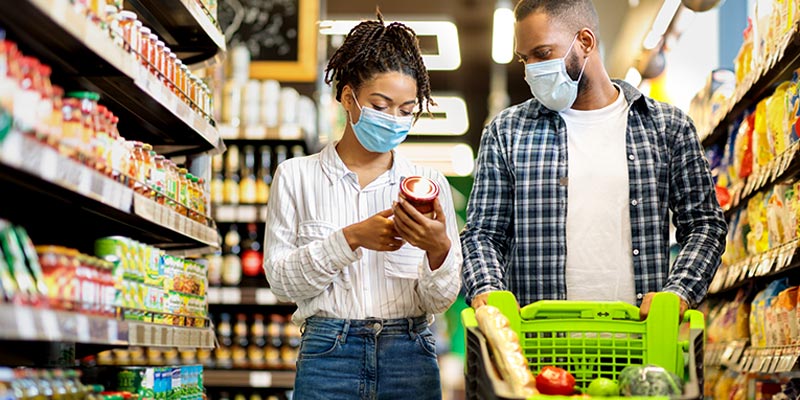
The “sniff test”
For foods with a best before date, you can use sensory cues to find out if the food is appropriate to eat. You could look for visible mould on bread, taste to see if biscuits/crisps are stale, or sniff/smell some dairy products with a best before date to see if they have soured.For food with a use-by date, the “sniff test” is not an appropriate method for testing if food is safe to eat. Food can look and smell fine even after the use-by date has passed, but the product will not be safe to eat. We can’t see or smell the bugs that can cause food poisoning.
Always check the date labels on food
If you have a problem with your sense of smell and cannot use it to detect if food with a best before date has gone off or stale, then ask someone else to check it for you. If that is not an option, then stick to the best before date on the packet as this has been determined by the manufacturer to be the date which the food is at its best.Avoid food waste
Plan your meals ahead! Get into the habit of checking what you already have in the fridge and freezer before you go shopping. Look out for foods that are approaching their use-by date and other fresh foods that can go off over time and try to use them up first.Defrosted food
Once defrosted, the pause button is off. Only defrost food as you need it and once food has been defrosted, use it within 24 hours and cook it until steaming hot before serving. Always check packet instructions to ensure that foods are suitable for freezing, especially for ready-to-eat foods.Sources: Food Standards Agency, United Kingdom, World Health Organization