Reduce downtime through built-in Server Redundancy
In modern manufacturing, downtime isn’t just an inconvenience; it’s a costly disruption.
When your labeling system goes down, production stops, shipments get delayed, and operators scramble to restore order.
That’s why CoLOS® High Availability (HA) is designed to make your label/message management system resilient and recoverable to ensure that your multi-site operations stay up and running during disruptions.
What is CoLOS® High Availability?
High availability means your system is built to recover fast and minimize downtime.
CoLOS® High Availability ensures that production keeps running to meet the production demand of the facility by automatically switching connections between the primary and back-up server without affecting the production line. This provides marking line failover protection when a server becomes unavailable, helping manufacturers maintain continuous production marking.
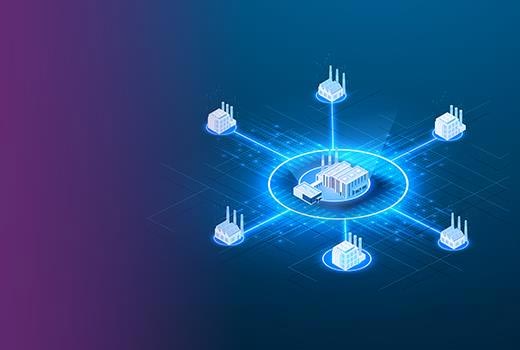
In a centralized message management environment, multiple factories rely on the same core system to manage and execute product and label printing. If a site’s production environment fails due to hardware/software issues, or maintenance, operations can come to a standstill.
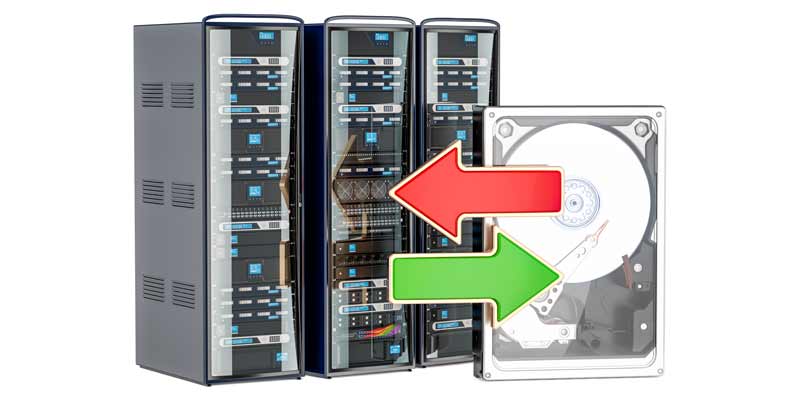
With CoLOS® High Availability, your system retains a backup configuration at the central site that can be quickly deployed to restore the affected site.
This approach supports production line disaster recovery by enabling sites to get back online in minutes, not hours, reducing downtime and helping ensure business continuity.
How server redundancy supports production continuity
Server failure can happen for many reasons such as, hardware faults, software issues, planned maintenance, network interruptions, or unexpected events. In a centralized environment, the impact can extend beyond a single production line. When multiple sites depend on a shared management system, the ability to switch to a backup server quickly becomes critical.
Built-in server redundancy provides an additional layer of resilience by keeping a backup configuration available when the primary server is unavailable. Instead of waiting for lengthy troubleshooting or rebuilding a system from scratch, teams can restore the required environment and resume operations faster.
This is more than an IT safeguard - it is an operational continuity strategy. Faster recovery helps reduce production losses, protect delivery schedules, and keep critical marking and labeling processes moving.
From downtime prevention to disaster recovery
High Availability is not about eliminating every possible failure. It is about reducing the impact when a failure occurs. By planning for server failure and maintaining a ready-to-deploy backup configuration, manufacturers can create a practical recovery path for their production sites.
This is especially important for organizations operating multiple factories across regions. A centralized approach helps standardize recovery processes while giving IT and operations teams greater visibility and control.
The result is a more resilient production environment where recovery is planned, configurations are controlled, and labeling operations can return to service quickly.
Why high availability matters
In a world of multi-factory, 24x7 operations, even a brief system outage can create a domino effect from delayed production to missed deliveries and frustrated customers.
CoLOS ® High Availability ensures that:
- Your production sites recover quickly from failures or maintenance downtime.
- Your IT or operations team can instantly restore it using the stored backup configuration.
- You can restore configurations instantly without starting from scratch.
- Operators and local printer networks stay connected to approved label templates.
- Your teams maintain consistent, compliant labeling, even during disruptions.
- Every site is equipped for resilience and business continuity.
Saving millions by avoiding downtime
A single hour of lost labeling capability can mean halted lines, wasted batches, and delayed shipments. For global or multi-factory operations, that can quickly translate into hundreds of thousands to even millions in losses.
Without CoLOS® High Availability, a single point of failure could impact multiple sites, slow down the supply chain, and hurt your bottom line. It helps reducing recovery time from hours to minutes — protecting both productivity and profit.
While CoLOS® High Availability doesn’t replicate your database, it ensures that your sites can quickly restore the approved configurations and label setups — so you’re always using validated label templates, even after an outage. That means no risk of incorrect or unverified labels during recovery — helping maintain operational and regulatory consistency across your sites.
CoLOS® High Availability is built for a multi-site management
In a world where label/message management is centralized but production is distributed, CoLOS® High Availability bridges the gap between control and continuity. It gives your enterprise the ability to:
- Rapid recover of sites
- Minimize unforeseen production downtime across regions
- Keep your labeling operations reliable
- Support production line disaster recovery
- Maintain continuous production marking with reduced disruption
With CoLOS® High Availability, your label management system isn’t just centralized, it’s resilient, quickly recoverable, and stable. By combining centralized control with server redundancy and marking line failover protection, manufacturers can build a more resilient production environment and keep labelling operations moving smoothly.
Ends.
Frequently Asked Questions (FAQ)
What is production line disaster recovery in high availability systems?
Production line disaster recovery ensures rapid switch to backup resources when a fault disrupts manufacturing. CoLOS High Availability continuously monitors line health, provides automated failover, synchronizes data, and validates continuity of operations. This minimizes downtime, preserves product quality, and maintains output while repair or restoration occurs during planned maintenance windows.
How does failover protect production lines during outages and events?
Failover shifts operations to a standby controller and redundant equipment instantly or within defined switchover windows. It preserves throughput by maintaining synchronized configurations, compensates for sensor or network failures, and ensures safety interlocks remain active. Operators receive alerts, enabling rapid verification and minimal production disruption while managers coordinate recovery actions.
What threats are mitigated by production line disaster recovery measures?
Key threats include hardware failures, software crashes, power outages, network disruptions, and cyber incidents. Disaster recovery validates redundancy, tests failover procedures, and ensures data integrity across stations. Regular drills keep operators prepared, while automated checks confirm line sterilization, calibration, and safety interlocks remain consistent after switchovers for continuous production performance.
How does CoLOS High Availability support manufacturing uptime through monitoring?
CoLOS HA uses redundant controllers, fast switchover, and proactive health checks to keep lines running. It aggregates device status, alarms, and performance metrics, enabling automatic fault isolation and recovery. Seamless integration with ERP and MES systems preserves production records, inventory data, and traceability during disruption without compromising safety and compliance.
What steps should start during a disaster recovery drill today?
Define objectives, scope systems, and establish eligibility for failover. Practice activating standby resources, validating data synchronization, and confirming operator notifications. Record results, adjust thresholds, and re-run tests. Include safety interlocks, QA sampling, and machine restart procedures. Schedule regular drills to embed readiness and minimize real-event impact across shifts and sites.